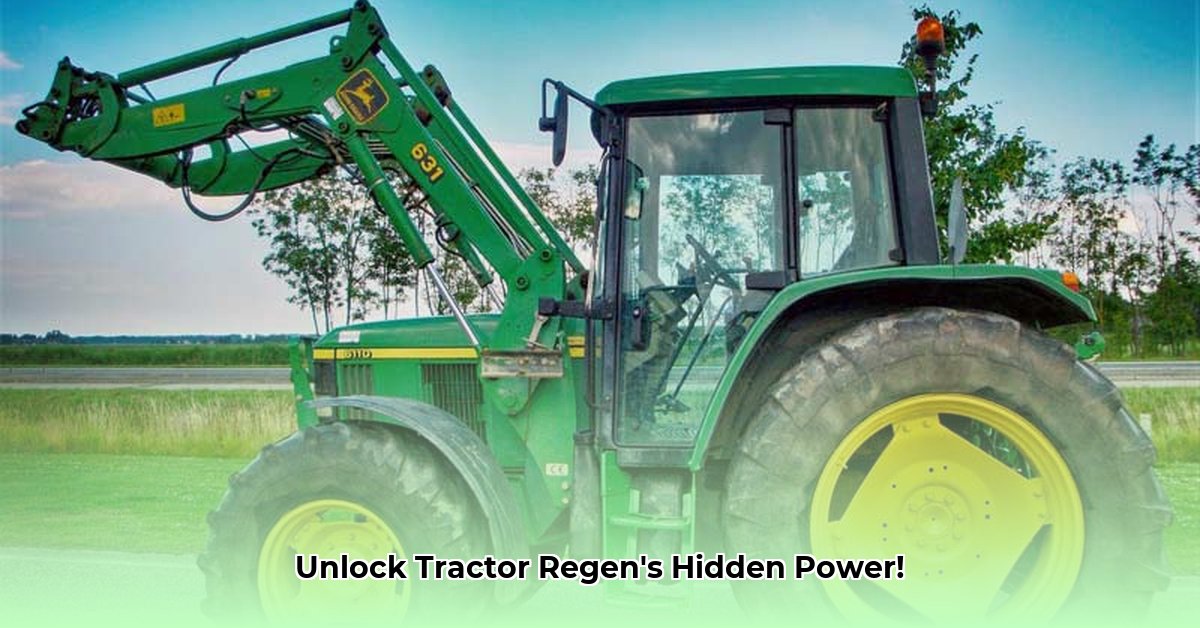
Modern diesel tractors utilize Diesel Particulate Filters (DPFs) to reduce emissions. Understanding the DPF regeneration ("regen") process—how your tractor cleans its DPF—is crucial for optimal performance and longevity. This guide provides clear, actionable steps to master your tractor's regen system.
Understanding Your Tractor's DPF: The Soot Eater
The DPF acts like a high-tech exhaust filter, trapping soot particles. Over time, soot accumulation reduces engine performance. Regeneration burns off this soot, maintaining engine efficiency and extending the tractor's lifespan.
Two Regen Methods: Automatic and Parked
Tractors utilize two main regeneration methods:
Automatic Regeneration: This occurs automatically during normal tractor operation. The tractor's computer system increases exhaust temperature to burn off soot. You typically won't notice this process.
Parked Regeneration: This requires you to stop the tractor and let it run for a period dedicated to DPF cleaning. Consult your owner's manual for specific instructions.
Recognizing the Need for Regeneration
Your tractor usually signals the need for regeneration via a warning light on the dashboard. Ignoring this warning can lead to significant issues. A flashing light often indicates an immediate need for regeneration.
Performing Parked Regeneration: A Step-by-Step Guide
Always consult your owner's manual for your specific tractor model. Instructions vary significantly between models.
Step 1: Safe Parking: Park your tractor on a level, well-ventilated surface, away from flammable materials. Safety is paramount.
Step 2: Consult Your Manual: Your owner's manual provides detailed, model-specific instructions for parked regeneration.
Step 3: Follow Instructions Precisely: Carefully follow the steps outlined in your manual. Skipping steps can lead to complications.
Step 4: Monitor the Process: Keep an eye on your tractor during the regeneration cycle.
Step 5: Avoid Interruption: Do not interrupt the regeneration process until the warning lights indicate completion.
Troubleshooting Regeneration Problems
If regeneration issues persist, follow these steps:
Consult Your Manual: Check your owner's manual troubleshooting section for potential solutions. Are there any error codes displayed?
Contact Your Dealer: If manual troubleshooting fails, contact your local dealer. They possess specialized diagnostic tools.
Preventative Maintenance: Regular maintenance significantly reduces the likelihood of regeneration problems.
Preventative Maintenance: Prolonging Tractor Lifespan
Preventative maintenance is key to avoiding costly regeneration-related repairs.
Regular Oil Changes: Fresh oil keeps your engine clean and efficient.
Fuel Filter Changes: Clean fuel prevents DPF clogging and improves efficiency.
Adhere to the Schedule: Follow the maintenance schedule in your owner's manual rigorously.
Automatic vs. Parked Regen: A Comparison
| Feature | Automatic Regen | Parked Regen |
|---|---|---|
| Convenience | Highly convenient; automatic operation | Inconvenient; requires dedicated downtime |
| Efficiency | Efficient; minimal workflow disruption | Less efficient; dedicated engine run-time needed |
| Maintenance | Reduced operator intervention | May require operator intervention |
| Operator Input | No operator input needed | Requires operator initiation and monitoring |
Preventing Frequent DPF Regeneration
Frequent regeneration (e.g., every 2 hours) can indicate underlying problems. This wastes fuel and increases wear.
Key Causes:
- Faulty Sensors: Malfunctioning sensors provide inaccurate data, triggering unnecessary regeneration.
- Software Glitches: Software bugs in the engine's computer system can cause excessive regeneration cycles.
- Operational Habits: Short trips and low engine speeds impede complete regeneration.
- Fuel Quality: Poor-quality fuel leads to increased soot production and higher regeneration frequency.
Preventing Frequent Regeneration: Actionable Steps
Regular Maintenance: Adhere to the recommended service schedule. Preventative maintenance is cost-effective.
Optimized Operation: Avoid short trips and maintain optimal engine RPMs.
High-Quality Fuel: Use premium diesel fuel from reputable sources.
Software Updates: Install the latest software updates from your manufacturer.
Professional Diagnostics: Consult a qualified mechanic for persistent issues.
Troubleshooting Frequent Regeneration: A Checklist
- Sensor Readings: Verify sensor accuracy.
- Fuel System: Inspect the fuel system for clogs or contamination.
- Operational Habits: Evaluate your driving habits.
- Professional Assistance: Seek expert help if needed.
Remember: This guide provides general information. Always consult your tractor's owner's manual for precise instructions and model-specific details.
Tractor Regen
Content about tractor regen (Auto-generated fallback due to API error).